
Détails essentiels
Délai de livraison:7-14 days
Expédition:海运, 空运, 快递, 陆运
Introduction du produit
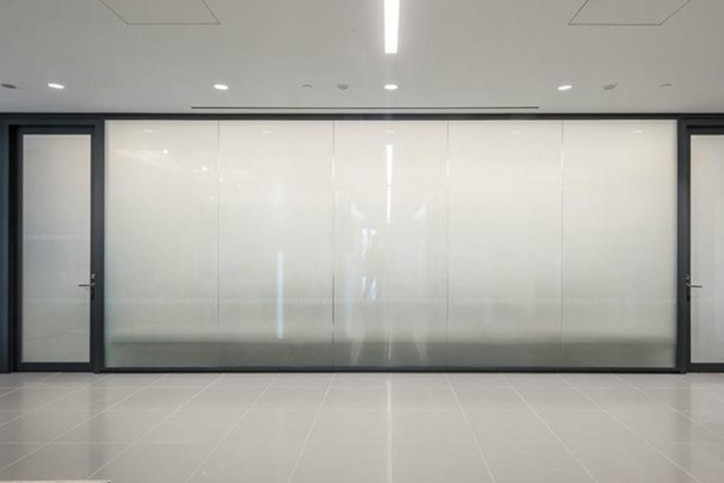
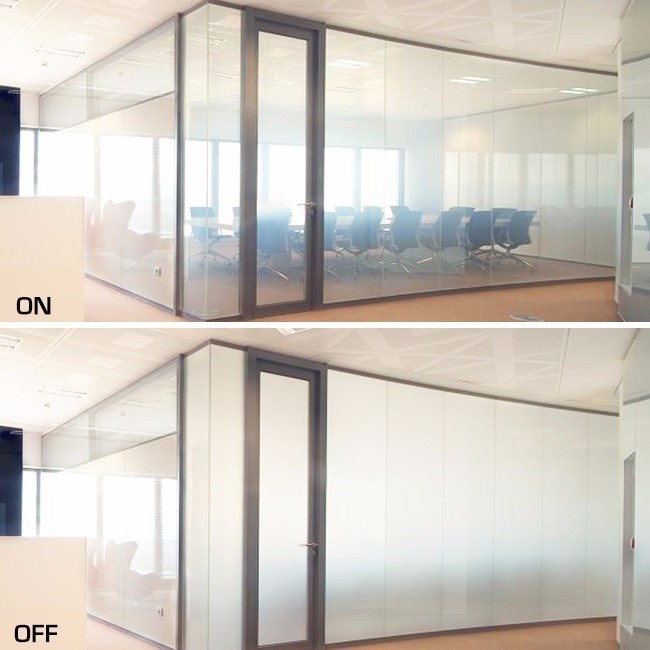
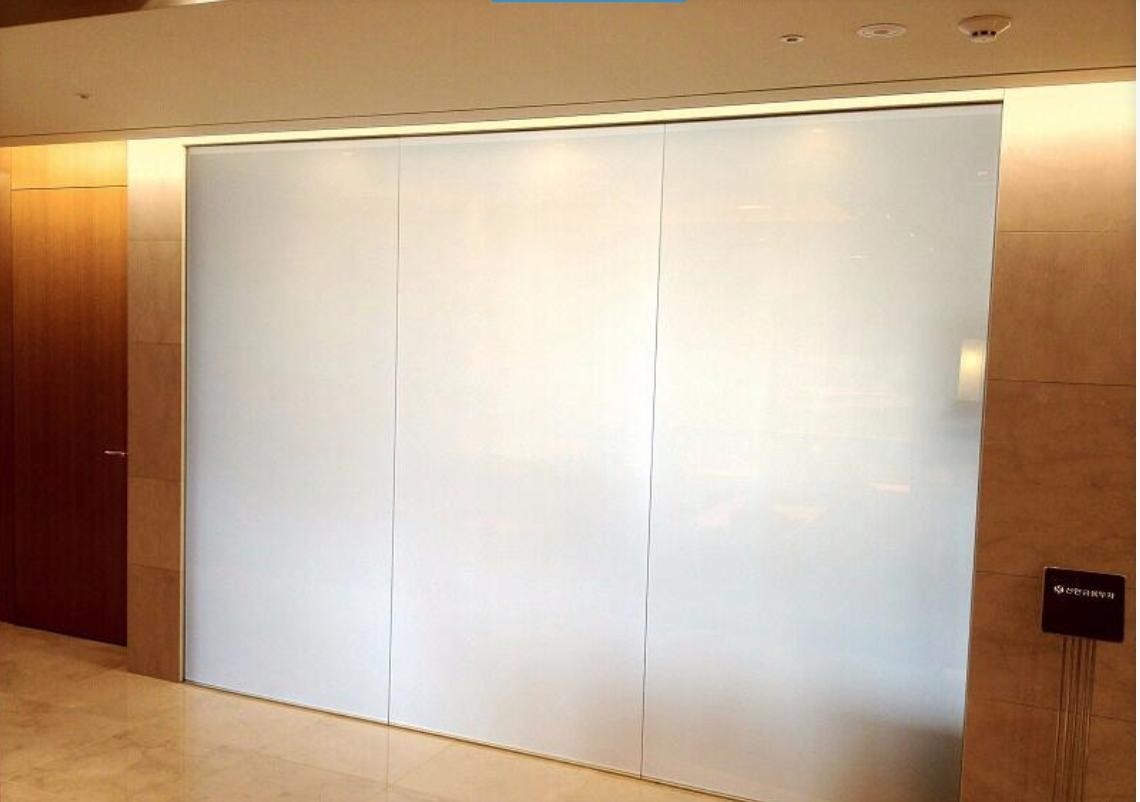
· Type: Smart Glass
· Thickness: 3+3mm-25+25mm (1/4'' to 2'')
· Size: Max. 3300×22000mm (customizable)
· Color: Clear, Ultra Clear, Grey, Bronze, Green, Coated, Tinted, etc.
· Certificaiton: CCC & ISO & SGCC & BS & CE & ASTM
· Processing: Fine Polishing, Edging, Hole Drilling, Coating, etc.
· MOQ: No MOQ
· Applications:
Curtain Wall, Railing, Doors, Windows, Stairs, Partition, Balustrades
Curtain Wall, Railing, Doors, Windows, Stairs, Partition, Balustrades